

How does a battery-powered nail gun work?
The short answer: with a loud bang
Long answer: a carefully timed sequence takes place inside the tool. Electronics accelerate a flywheel, an electromagnet moves a carriage with a roller, a roller forces a steel driver into contact with a spinning mass, friction transfers stored kinetic energy, and a nail is driven home in mere milliseconds. The result is a cordless tool capable of delivering impressive power using nothing more than a rechargeable battery.
Using high-speed video slowed to the limits of what a modern flagship smartphone can capture, it becomes possible to observe the sequence of events that transforms electrical energy stored in a battery into the mechanical force required to drive a nail.
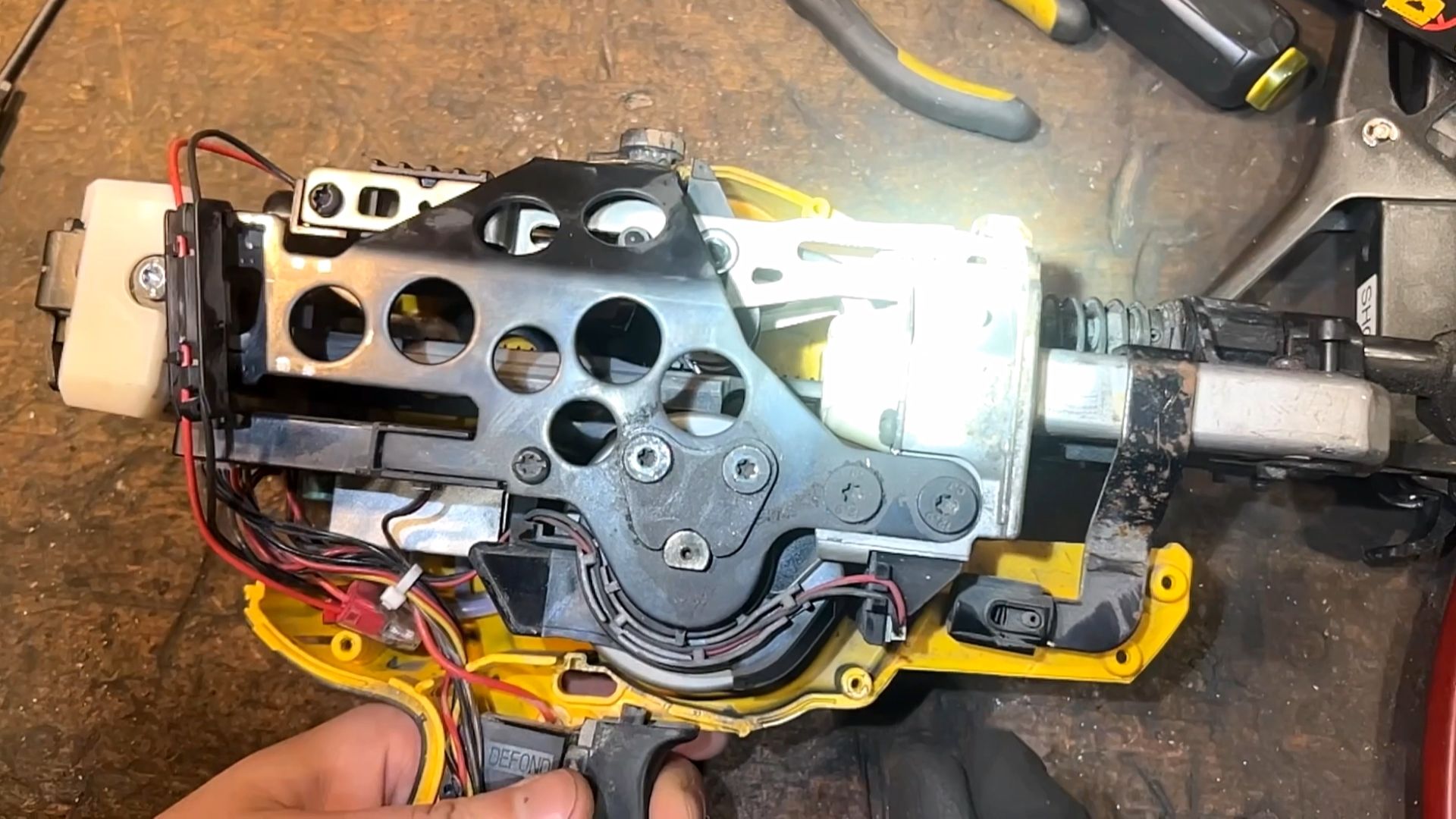
The nail driver
The component that actually pushes the nail is a hardened steel rod known as the nail driver.
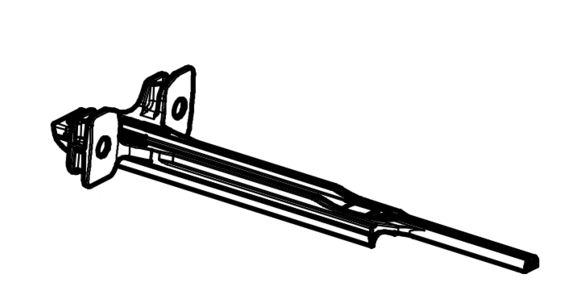
This driver's front end is a rod and it extends through the front of the nail gun and aligns with the nail being fired. The lower portion of the driver contains specially shaped flanges that interact with the power-transfer mechanism inside the tool.
When a nail is driven, it is not the nail itself that receives energy directly from the motor. Instead, the motor accelerates the nail driver, and the driver transfers that energy to the nail.
The driver therefore acts as the final link in the energy chain between the battery and the workpiece.
The flywheel motor system
Many battery-powered framing and finish nailers use a flywheel-based mechanism.
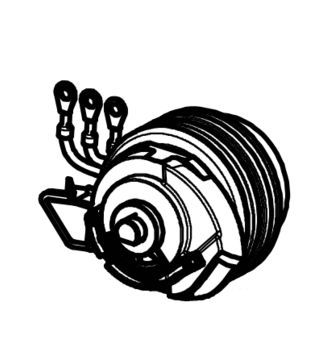
When the user pulls the trigger on a handle, the tool's electronic controller powers a brushless electric motor. This motor is optimized to store rotational energy by having a heavy metal rotating piece, acting as a flywheel.
The motor in the nail guns of such design is effectively turned inside out. The rotor forms the outer circumference of the motor and consists of a heavy metal ring. This ring serves as a flywheel.
The flywheel's mass is extremely important. As the motor spins the flywheel, kinetic energy accumulates within the rotating metal. The faster the flywheel spins and the greater its mass, the more energy becomes available for the upcoming nail-driving cycle.
The outer rim of the flywheel contains V-shaped grooves that correspond to the flanges on the nail driver.
At this stage the motor is spinning rapidly, storing energy and waiting for the firing sequence to begin.
The safety contact mechanism, A.K.A the firing button
Nail guns incorporate a safety system to minimize the risk of self-harm. This system is based on the moving contact tip located at the nose of the tool. Before a nail can be fired, the nose of the nail gun must be pressed firmly against the workpiece. Doing so pushes a contact tip that uses a mechanical linkage inside the tool to press a switch or sensor that informs the electronics that the tool should drive the nail.
The electromagnet's role
Once the trigger is pulled and the safety contact is pressed, the electronics deliver a powerful pulse of current into an electromagnet.
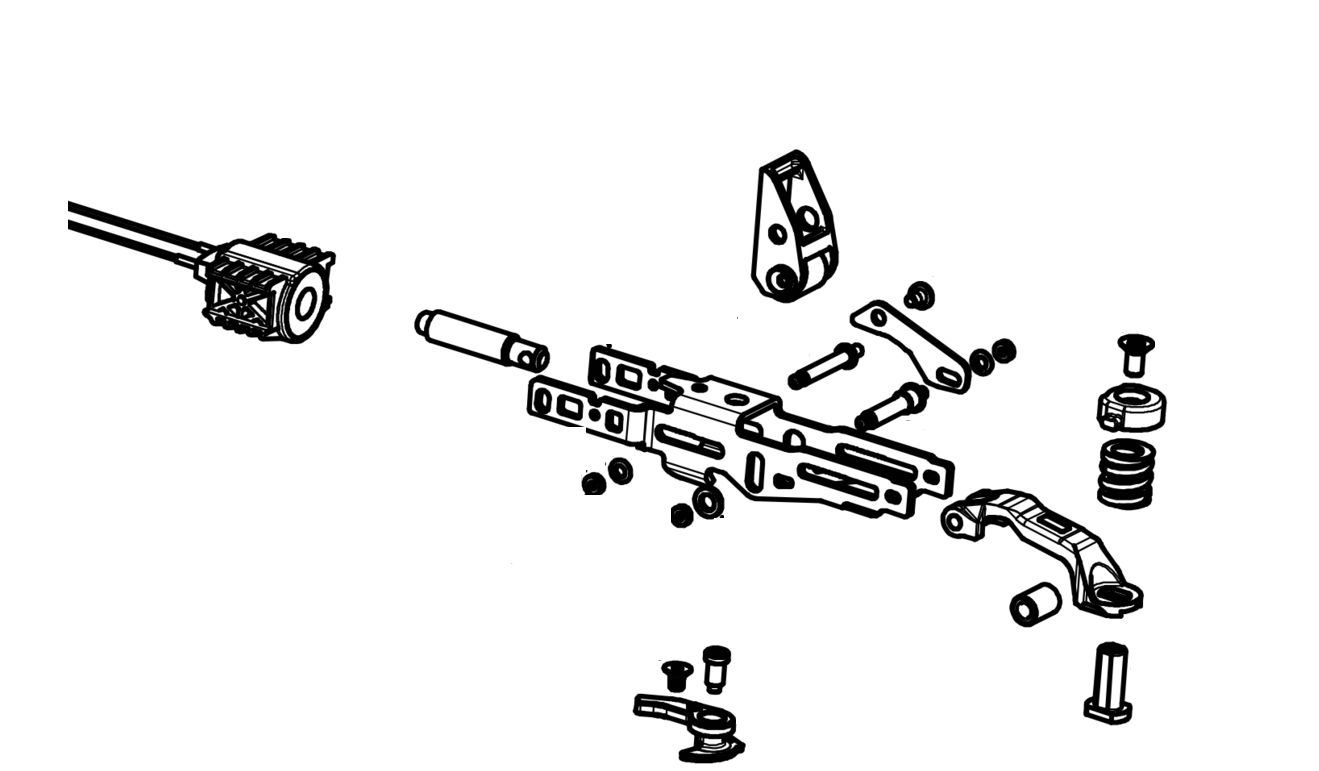
The electromagnet is essentially a coil of wire designed to generate a strong magnetic field when energized.
This magnetic field pulls a moving assembly commonly referred to as the carriage. Mounted on the carriage is a hardened roller.
As the carriage moves backwards, the roller forces the nail driver downward toward the rotating flywheel. This is the critical moment in the firing cycle.
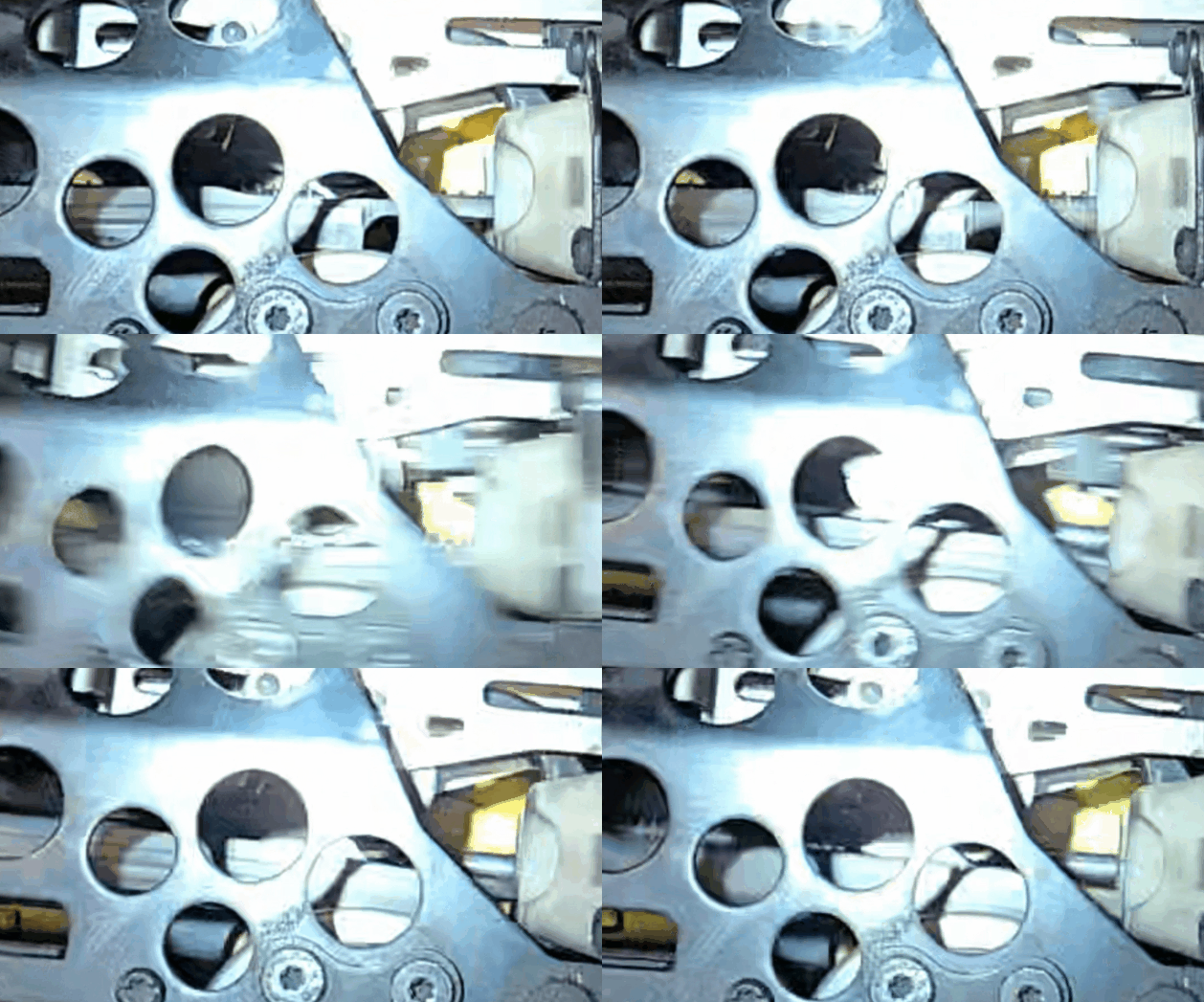
Friction makes nails to be seated
The operation of a flywheel nail gun depends heavily on friction. When the roller presses the nail driver against the rapidly spinning flywheel, the friction between the two surfaces becomes extremely high.
Because the flywheel is already carrying a large amount of rotational energy, this frictional contact rapidly accelerates the nail driver. The driver effectively becomes "grabbed" by the flywheel.
Within milliseconds, the flywheel transfers a significant portion of its stored kinetic energy into the driver. The driver is propelled forward at high speed and strikes the head of the nail. The nail is then forced into the wood.
The characteristic loud bang heard during firing is largely the result of this extremely rapid energy transfer and the mechanical impact that follows.
The entire event occurs so quickly that it is virtually impossible to observe without slow-motion recording equipment.
Returning to the starting position
Immediately after the nail has been driven, the electromagnet is switched off. With magnetic force removed, the carriage no longer presses the roller against the nail driver. The nail driver is now free to move independently of the flywheel.
Two (compressed during the fire cycle) return springs push the driver back to its starting position. In some nail guns the stretchable rubber slings are used instead of metal springs.
As the driver retracts, a new nail advances into place from the magazine by the froce of the feed spring of the magazine.
Meanwhile, the motor restores the flywheel to operating speed. Within a short period, often less than a second, if the battery is capable of producing the high current to restore flywheel's speed, the nail gun is ready to fire again.
Alternative nail gun mechanisms
Battery-powered flywheel nail guns differ significantly from other common nail gun technologies. Although all nail guns ultimately accelerate a driver into a nail, the source of the energy varies.
Pneumatic nail guns
Pneumatic nail guns use compressed air supplied by an external compressor. When the trigger is activated, a valve releases high-pressure air into a cylinder. The compressed air drives a piston and nail driver connected to it forward.
Because compressed air can deliver substantial force very quickly, pneumatic nail guns have remained popular for decades.
Their primary disadvantage is the requirement for a compressor, hose, fittings, and ongoing lubrication.
Combustion-based nail guns
In order to getthe pneumatic benefits without carrying the pneumatic hoses, a combustion-powered nail guns were invented. A small quantity of flammable gas is injected into a combustion chamber and mixed with air. An electronic ignition system then ignites the mixture.
The rapidly expanding hot gases trapped inside a small cylinder follow the isochoric process and create a high pressure pulse inside the cylinder. This pressure drives the piston and nail driver forward, seating the nail.
Combustion nailers provide battery-powered operation but they also require fuel cartridges and regular cleaning.
FAQ
Can I lubricate my battery-powered nail gun?
Only very light surface protection should be applied to exterior metal parts if rust prevention is necessary.
The nail driver and flywheel mechanism should remain completely free of lubricants. This is because flywheel nail guns rely on friction to transfer energy from the rotating flywheel to the nail driver. Any oil, grease, or lubricant that reaches these components can significantly reduce friction. Reduced friction means reduced energy transfer. Reduced energy transfer means reduced nail-driving force.
A lubricant-covered driver can cause shallow nail seating, inconsistent performance, and repeated firing problems.
I installed aftermarket springs and the nail gun no longer seats nails properly. Why?
The return springs in a battery-powered nail gun are designed primarily to bring the nail driver back to its starting position after firing.
During each cycle, part of the flywheel's stored energy is consumed compressing these springs. If significantly stiffer aftermarket springs are installed, more energy is required to compress them. That additional energy must come from somewhere. It comes from the same energy reserve that would otherwise be available to drive the nail. As a result, less energy reaches the nail and nail seating performance decreases. The tool may still fire normally, but nails may no longer be seated fully.
For this reason, pay close attention to spring stiffness when using third-party springs.
My nail gun no longer makes a loud bang and it is not driving nails fully. What could cause this?
A flywheel nail gun depends on sufficient friction between the flywheel and the nail driver. To create that friction, the roller must press the driver firmly against the spinning flywheel.
The roller's force originates from the carriage assembly, which is pulled by the electromagnet. Electromagnets generate substantial heat because they carry high current during operation.
Under prolonged heavy use, especially in high ambient temperatures, excessive heat can damage the coil insulation or other internal components of the electromagnet assembly.
If the electromagnet's pulling force decreases, the carriage applies less pressure to the roller. The roller then presses the driver against the flywheel with less force. The resulting friction decreases, reducing energy transfer.
Instead of the sharp, powerful bang normally associated with proper operation, the tool may produce a noticeably weaker impact and fail to seat nails fully.